

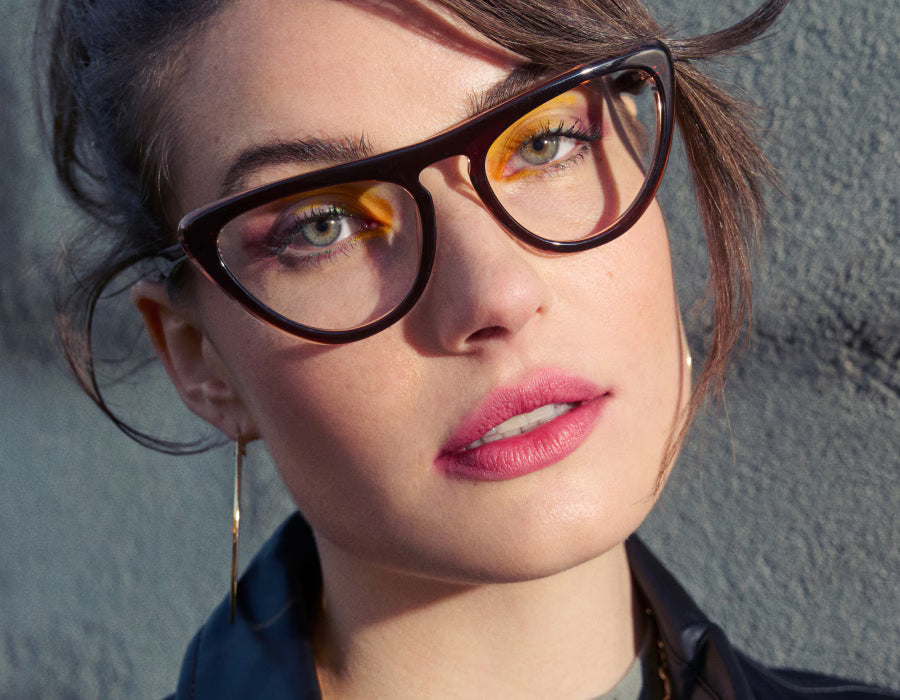
إذا كانت عيناك عسليتين، فقد يصفها الناس بأنها خضراء أو بنية أو بنية مخضرة أو خضراء بنية. وذلك لأن العيون العسلية هي مزيج من ألوان مختلفة بدلاً من لون واحد.
العيون العسلية نادرة جدًا وتوجد فقط في حوالي 5% من الناس في جميع أنحاء العالم. ومع ذلك، فهي أكثر شيوعًا في بعض البلدان. على سبيل المثال، حوالي 18% من الناس في الولايات المتحدة لديهم عيون عسلية.
في هذه المدونة، ستتعلم المزيد عن لون العين الفريد والجميل والنظارات المناسبة له.
ما لون العيون العسلية؟
العيون العسلية هي مزيج من اللونين الأخضر والبني. ولهذا السبب، غالبًا ما تسمى عسلية خضراء أو عسلية بنية. يمكن أن تحتوي أيضًا على بقع صغيرة من ألوان أخرى، مثل الذهبي أو العنبري.
ما يجعل العيون العسلية مميزة هو مزيجها الفريد من الألوان. العديد من الأشخاص ذوي العيون العسلية لديهم لون مختلف حول بؤبؤ العين، عادة بني أو ذهبي، بينما الجزء الخارجي من القزحية قد يبدو أخضر أو نحاسي أو بني فاتح. هذا المزيج من الدرجات يخلق مظهرًا جميلاً وجذابًا.
تحتوي العيون العسلية على كمية معتدلة من الميلانين، الصبغة التي تعطي اللون للعينين. تحتوي على ميلانين أقل من الأشخاص ذوي العيون البنية ولكن أكثر من الأشخاص ذوي العيون الزرقاء أو الخضراء. لهذا السبب، يمكن للعيون العسلية أحيانًا أن تبدو وكأنها تغير لونها اعتمادًا على الإضاءة أو المحيط أو حتى ألوان الملابس التي يرتديها الشخص.
تُعرف العيون العسلية بمزيجها النادر والجذاب من الدرجات البنية والخضراء والذهبية، مما يجعلها واحدة من أكثر ألوان العيون تميزًا في العالم. غالبًا ما تبدو النساء ذوات العيون العسلية رائعات في نظارات عين القطة الرجعية.

ما الذي يسبب العيون العسلية؟
جميع ألوان العيون تحدد من خلال مزيج من الوراثة وكمية ونوع الميلانين في جسمك. إليك كيف يساهم كل عامل في ذلك:
الوراثة ولون العين
في الماضي، اعتقد العلماء أن لون العين يتحكم فيه جين واحد فقط. كانوا يعتقدون أنه إذا كان كلا الوالدين لديهما عيون بنية، فإن طفلهما سيكون لديه أيضًا عيون بنية.
اليوم، يعرف العلماء أن لون العين أكثر تعقيدًا بكثير. ما لا يقل عن 16 جينًا مختلفًا تساعد في تحديد لون عين الشخص. لهذا السبب، يمكن لوالدين لهما نفس لون العين أن ينجبا طفلاً بلون عين مختلف.
هذا هو أيضًا السبب في أنه قد يكون من الصعب التنبؤ بالضبط بلون العين الذي سيكون لدى الطفل. يتأثر لون العين بالعديد من الجينات التي تعمل معًا، مما يخلق مجموعة واسعة من ألوان ودرجات العيون.
الميلانين ولون العين
الميلانين هو صبغة طبيعية في الجسم تعطي اللون لعينيك وجلدك وشعرك. في العينين، يوجد الميلانين في القزحية، وهي الجزء الملون المحيط ببؤبؤ العين.
كمية الميلانين في القزحية تؤثر على لون العين. الأشخاص الذين لديهم المزيد من الميلانين عادة ما يكون لديهم عيون داكنة، مثل العيون البنية، بينما الأشخاص الذين لديهم ميلانين أقل غالبًا ما يكون لديهم ألوان عيون أفتح، مثل العيون الزرقاء.
هناك نوعان رئيسيان من الميلانين:
- اليوميلانين – صبغة بنية داكنة أو سوداء.
- الفيوميلانين – صبغة حمراء صفراء.
توازن هذه الأصباغ يساعد في خلق ألوان العيون المختلفة. تحتوي العيون الداكنة على المزيد من اليوميلانين، بينما تميل العيون الفاتحة إلى احتواء المزيد من الفيوميلانين.
ما الذي يجعل العيون العسلية مختلفة؟
العيون العسلية فريدة لأن الميلانين في القزحية لا ينتشر بالتساوي. بينما تتركز كمية كبيرة من الميلانين في الطبقة الخلفية للقزحية، فإن الجزء الأمامي يحتوي على كميات متفاوتة من الصبغة في مناطق مختلفة.
بسبب هذا التوزيع غير المتساوي، قد تظهر بعض أجزاء القزحية بنية أو ذهبية، بينما تبدو أجزاء أخرى خضراء أو عنبرية. هذا يخلق المظهر الجميل متعدد الألوان الذي يجعل العيون العسلية تبرز من ألوان العيون التي تبدو أكثر تناسقًا، مثل العيون البنية أو الزرقاء.
مقارنات ألوان العيون العسلية
نظرًا لأن العيون العسلية هي مزيج من عدة أصباغ، فغالبًا ما يتم الخلط بينها وبين الدرجات الأخرى، وخاصة العيون البنية الأكثر شيوعًا ولون العين الأكثر ندرة، الأخضر. نظرة فاحصة تكشف أن العسلي فريد بوضوح. مفتاح تمييز العيون العسلية هو طبيعتها متعددة الدرجات، والتي تتناقض بشكل حاد مع اللون الواحد الصلب الموجود في القزحية البنية والخضراء. يساعد فهم هذه الاختلافات في إبراز الخصائص الخاصة للعين العسلية.
العيون العسلية مقابل العيون البنية
العيون العسلية والعيون البنية مختلفة، حتى لو كانت تبدو متشابهة أحيانًا.
العيون العسلية تحتوي على ميلانين (صبغة لونية) أقل من العيون البنية. لهذا السبب، لا تمتص الكثير من الضوء. بدلاً من ذلك، تعكس الضوء بطرق مختلفة، مما يمكن أن يجعل العيون العسلية تبدو وكأنها تغير لونها في الإضاءات المختلفة.
العيون البنية تحتوي على الكثير من الميلانين. هذا يسمح لها بامتصاص معظم الضوء، ولهذا السبب تبقى عادةً بنية ثابتة ولا تتغير كثيرًا.في رأيي، النظارات التيتانيوم المربعة تبدو جيدة مع العيون البنية.
المظهر
- العيون العسلية: يمكن أن تبدو مختلفة اعتمادًا على الضوء أو الملابس أو المحيط. قد تظهر خضراء أو بنية أو ذهبية في أوقات مختلفة.
- العيون البنية: عادةً ما تبقى نفس اللون في جميع ظروف الإضاءة وتبدو أكثر استقرارًا.
الندرة
- العيون البنية: لون العين الأكثر شيوعًا في العالم، يوجد في العديد من السكان عبر العالم.
- العيون العسلية: أقل شيوعًا وتوجد غالبًا في الأشخاص من أصول أوروبية أو غرب آسيوية أو شمال أفريقية.
العيون العسلية أكثر تميزًا لأنها يمكن أن تغير مظهرها، بينما تبقى العيون البنية ثابتة في اللون.
العيون العسلية مقابل العيون الخضراء
العيون العسلية والعيون الخضراء قد تبدو متشابهة أحيانًا، لكنها ليست نفس الشيء.
العيون الخضراء عادة ما تكون لونًا واحدًا ثابتًا. تميل إلى البقاء بنفس الدرجة في معظم ظروف الإضاءة ولا تتغير كثيرًا.
العيون العسلية، من ناحية أخرى، هي مزيج من ألوان مختلفة. غالبًا ما تشمل الأخضر مع البني والذهبي والعنبري أو حتى لمسات صغيرة من الأزرق. بسبب هذا المزيج، يمكن للعيون العسلية أن تبدو مختلفة اعتمادًا على الضوء أو الملابس أو المكياج.

المظهر
- العيون الخضراء: عادة ما تكون ثابتة في اللون وتبدو كما هي في معظم الحالات.
- العيون العسلية: يمكن أن تغير مظهرها وقد تبدو خضراء أو بنية أو ذهبية في أوقات مختلفة.
الندرة
- العيون الخضراء: واحدة من أندر ألوان العيون في العالم، توجد في حوالي 2% من الناس.
- العيون العسلية: أكثر شيوعًا قليلاً، توجد في حوالي 5% من الناس في جميع أنحاء العالم.
بكلمات بسيطة، العيون الخضراء في النظارات المعدنية المستديرة عادة ما تكون لونًا واحدًا ثابتًا، بينما العيون العسلية هي مزيج متغير من عدة ألوان
ما مدى ندرة العيون العسلية؟
العسلي ليس أندر ألوان العيون، لكنه ليس شائعًا جدًا أيضًا. فقط حوالي 18% من الناس في الولايات المتحدة لديهم عيون عسلية، مقارنة بـ 5% فقط من سكان العالم. إليك كيفية تمثيل ألوان العيون في جميع أنحاء العالم وفقًا لـ World Atlas:
- العيون الخضراء – 2%
- العيون الرمادية – 3%
- العيون العسلية – 5%
- العيون الزرقاء – 8% إلى 10%
- العيون البنية – 70% إلى 80%
في جميع أنحاء العالم، العيون العسلية هي الأكثر انتشارًا بين الأشخاص الذين يعيشون في البرازيل والشرق الأوسط وشمال أفريقيا. كما أنها أكثر شيوعًا بين الأشخاص من أصل إسباني.
هل يمكن أن يؤثر وجود العيون العسلية على صحة عينيك؟
إذا كان لديك عيون عسلية، فقد تكون أكثر عرضة للإصابة برهاب الضوء، أو حساسية للضوء. لأن عينيك تحتويان على ميلانين أقل من العيون الداكنة، لا يمكنهما حجب الكثير من الضوء الساطع من الشمس والمصابيح الفلورية ومصادر الضوء الأخرى.
رهاب الضوء يمكن أن يجعل من الصعب عليك التركيز في الضوء الساطع. قد يسبب هذا التحديق أو فرك عينيك أو حتى الشعور بالألم حول عينيك. بينما لا يسبب رهاب الضوء فقدانًا دائمًا للرؤية، فإن أشعة الشمس فوق البنفسجية الضارة يمكن أن تضر بعينيك.
أفضل طريقة لحماية عينيك من الشمس هي ارتداء نظارات شمسية مع حماية من الأشعة فوق البنفسجية بنسبة 99% إلى 100% عند الخروج خلال النهار (القبعة واسعة الحواف تساعد أيضًا!). النظارات ذات العدسات المضادة للوهج قد توفر أيضًا بعض الراحة، وكذلك أخذ فترات راحة متكررة والحد من وقت التعرض للضوء القاسي.
هل يتغير لون العيون العسلية؟
لا، العيون العسلية لا تغير لونها بشكل عام. ومع ذلك، نظرًا لأنها تبدو وكأنها تحتوي على مزيج من الألوان، يمكن أن تبدو عيناك مختلفتين اعتمادًا على البيئة المحيطة. عوامل مثل ما ترتديه، أو لون مكياجك، أو الإضاءة من حولك يمكن أن تجعل البقع الخضراء أو البنية أو الذهبية تبدو أكثر بروزًا. هذا التأثير هو كيف تبدو العيون العسلية أحيانًا وكأنها تغير لونها.
ملاحظة: إذا لاحظت تغيرًا كبيرًا في لون عينيك، استشر طبيب العيون فورًا. قد يكون علامة على حالة طبية خطيرة.
مشاهير ذوو عيون عسلية
إليك بعض المشاهير الذين لديهم هذا اللون النادر من العيون:
- أنجلينا جولي
- بن أفليك
- ديفيد بيكهام
- جيسيكا ألبا
- تايرا بانكس
- كريستين ستيوارت
لا أحد في العالم لديه نفس لون عينيك تمامًا، فلماذا لا تبرز ما لديك؟ اجعل عينيك الفريدتين تبرز مع إطارات جديدة بأسلوب وشكل ولون مكمل.
الأسئلة الشائعة
1. ما هي العيون العسلية؟
العيون العسلية هي مزيج من الألوان، وعادة ما تشمل الأخضر والبني والذهبي. ليس لها لون واحد ثابت.
2. هل العيون العسلية نادرة؟
نعم، العيون العسلية غير شائعة نسبيًا. حوالي 5% من الناس في جميع أنحاء العالم لديهم.
3. لماذا تبدو العيون العسلية مختلفة في الضوء؟
تغير العيون العسلية مظهرها لأنها تعكس الضوء بشكل مختلف. هذا يجعلها تبدو أكثر خضرة أو بنية أو ذهبية اعتمادًا على الإضاءة.
4. هل يمكن للعيون العسلية أن تغير لونها تمامًا؟
لا، العيون العسلية لا تغير لونها بالكامل. تظهر فقط بدرجات مختلفة في ظروف مختلفة.
5. ما الذي يسبب العيون العسلية؟
تسبب العيون العسلية بكمية معتدلة من الميلانين وتوزيع غير متساوٍ للصبغة في القزحية.
6. هل العيون العسلية هي نفس العيون الخضراء؟
لا، العيون الخضراء عادة ما تكون لونًا واحدًا، بينما العيون العسلية هي مزيج من عدة ألوان.
7. هل العيون العسلية أكثر شيوعًا في مناطق معينة؟
نعم، هي أكثر شيوعًا في مناطق مثل البرازيل وشمال أفريقيا والشرق الأوسط وأجزاء من أوروبا.
8. هل يمكن لوالدين بنيي العينين إنجاب طفل بعيون عسلية؟
نعم، لأن لون العين يتأثر بالعديد من الجينات، وليس جينًا واحدًا فقط.


