

How to Keep Your Eyes Healthy: A Practical Guide for Protecting Your Vision
Eye health is often taken for granted, yet up to 50% of vision problems and vision loss can be prevented with early detection, healthy habits, and simple daily choices. Many people only pay attention to their eyes when something goes wrong – but in many cases, prevention makes all the difference.
So what really affects your eyesight? Nutrition, physical activity, sun protection, quitting smoking, and everyday routines all play a role. In this guide, you’ll find clear, practical tips to protect your eye health, written so you can start applying them immediately.
Eat Well for Better Eye Health
Good eye health starts on your plate. Certain nutrients help protect the eyes from common age-related conditions such as macular degeneration, cataracts, and gradual vision decline.
Key nutrients that support healthy vision
-
Omega-3 fatty acids – support retinal health
-
Lutein and zeaxanthin – help protect against light-related damage
-
Zinc – essential for normal eye function
-
Vitamins C and E – powerful antioxidants
Foods to include regularly
-
Dark leafy greens: spinach, kale, romaine lettuce
-
Broccoli and Brussels sprouts
-
Oily fish: salmon, tuna, sardines
-
Colorful vegetables: carrots, sweet potatoes, red peppers
-
Eggs, nuts, beans, and other plant-based proteins
-
Citrus fruits: oranges, grapefruit, kiwi
-
Zinc-rich foods: chickpeas, yogurt, oysters
Tip: A colorful, varied diet supports not only eye health, but your overall well-being.
Exercise and Its Impact on Eye Health
Health guidelines recommend 150 minutes of physical activity per week, ideally spread over several days. You don’t need a gym membership – brisk walking, dancing, gardening, or cycling all count.
How exercise helps protect your eyes
-
Improves blood flow and oxygen delivery to the eyes
-
Reduces inflammation and oxidative stress
-
Supports a healthy body weight
Excess weight increases the risk of type 2 diabetes, a leading cause of vision loss in adults. High blood sugar can damage the tiny blood vessels in the eyes over time.
Even small amounts of activity are better than none – start where you are.
Quit Smoking to Protect Your Vision
Smoking significantly increases the risk of:
-
Cataracts
-
Macular degeneration
-
Optic nerve damage
Nicotine is highly addictive, making quitting challenging. Temporary symptoms such as irritability, poor concentration, and sleep problems are common – but they do pass.
Tips to manage cravings
-
Replace the habit with a healthier one: a short walk, music, or a message to a friend
-
Don’t be discouraged if your first attempt doesn’t succeed
-
Even brief advice from a healthcare provider can greatly improve your chances of quitting for good
Wear Sunglasses – Even on Cloudy Days
Ultraviolet (UV) radiation can damage your eyes year-round, not just in summer. Long-term exposure increases the risk of cataracts and macular degeneration, even on overcast days.
What to look for in sunglasses
-
100% UV protection
-
UV400 or full UV-A and UV-B blocking
-
Wraparound frames for side protection
Polarized lenses reduce glare but do not replace UV protection.
If you wear contact lenses with UV protection, sunglasses are still recommended for added safety.
Use Protective Eyewear at Work and During Sports
Every day, thousands of people suffer eye injuries at work, especially in fields such as:
-
Construction and woodworking
-
Plumbing and car repair
-
Agriculture and landscaping
-
Healthcare and industrial environments
Sports like hockey, squash, and lacrosse also carry a risk of eye injury.
Wear safety glasses, protective goggles, or helmets with face shields made from impact-resistant materials.
Blue Light and Screen Time: How to Reduce Eye Strain
Spending long hours in front of screens may lead to:
-
Eye strain and fatigue
-
Blurry vision
-
Dry eyes
-
Headaches and neck or shoulder pain
Practical tips for screen-related eye problems
-
Make sure your glasses or contact lens prescription is up to date
-
Position your screen at eye level or slightly below
-
Reduce glare from windows and overhead lighting
-
Blink more often or use artificial tears if needed
-
Follow the 20–20–20 rule: every 20 minutes, look about 6 meters (20 feet) away for 20 seconds
-
Take a 15-minute break at least every two hours
Practice Good Eye Hygiene
Small daily habits can make a big difference:
-
Wash your hands before touching your eyes
-
Avoid sharing towels, eye makeup, or eye masks
-
Remove eye makeup before going to bed
-
Discard old or expired cosmetics
Contact lens care matters
-
Wash hands before handling lenses
-
Use fresh solution daily
-
Replace lens cases every three months
-
Follow recommended replacement schedules
Stay on Top of Your Eye Exams
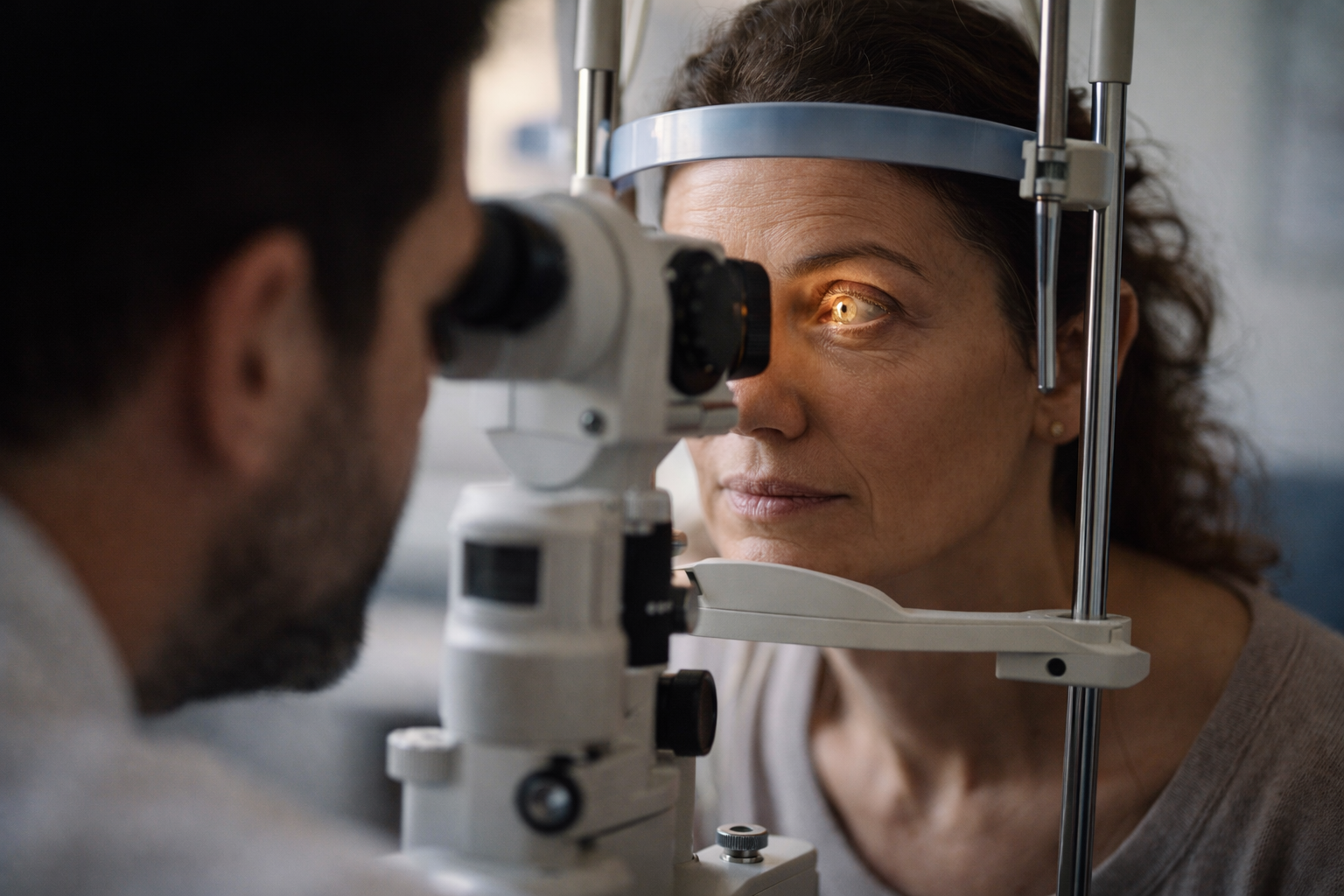
Regular eye exams help detect problems before symptoms appear, including glaucoma and other silent eye diseases.
How often should you get an eye exam?
-
In your 20s: at least one exam
-
In your 30s: two exams
-
At age 40: one exam
-
From age 65: every one to two years
More frequent exams may be needed if you have:
-
Diabetes or high blood pressure
-
A family history of eye disease
-
Contact lenses
Key Takeaway: Protect Your Vision Starting Today
Don’t wait for vision problems to appear. Healthy eating, regular exercise, sun protection, and routine eye exams can help preserve your eyesight for years to come.
👉 Start with one small change today – your eyes will thank you.


