

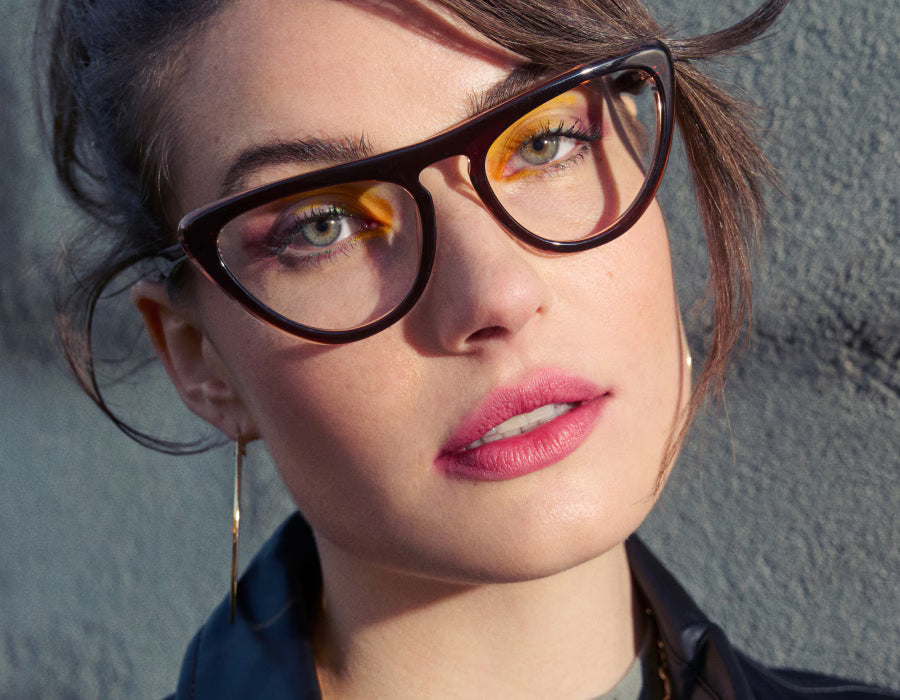
If you have hazel eyes, people may describe them as verde, marrón, greenish-marrón, or brownish-verde. That’s because hazel eyes are a mix of different colors rather than just one color.
Hazel eyes are quite rare and are found in only about 5% of people worldwide. However, they are more common in some countries. For example, around 18% of people in the United States have hazel eyes.
In this blog, you will learn more about this unique and beautiful eye color and with gafas.
What Color Are Hazel Eyes?
Hazel eyes are a mix of verde and marrón colors. Because of this, they are often called hazel verde or hazel marrón. They can also contain small spots of other colors, such as dorado or amber.
What makes hazel eyes special is their unique blend of colors. Many people with hazel eyes have a different color around the pupil, usually marrón or dorado, while the outer part of the iris may look verde, copper, or light marrón. This mix of shades creates a beautiful and eye-catching appearance.
Hazel eyes contain a moderate amount of melanin, the pigment that gives color to the eyes. They have less melanin than marrón-eyed people but more than azul- or verde-eyed people. Because of this, hazel eyes can sometimes appear to change color depending on the lighting, surroundings, or even the colors of the clothes a person is wearing.
Hazel eyes are known for their rare and attractive combination of marrón, verde, and dorado tones, making them one of the most unique eye colors in the world. Mostly, women with hazel eyes often look great in Retro cat-eye gafas.
What Causes Hazel Eyes?
All eye colors are determined by a combination of genetics and the amount and type of melanin in your body. Here’s how each factor in:
Genetics and Eye Color
In the past, scientists thought that eye color was controlled by only one gene. They believed that if both parents had marrón eyes, their child would also have marrón eyes.
Today, scientists know that eye color is much more complex. At least 16 different genes help determine a person's eye color. Because of this, two parents with the same eye color can have a child with a different eye color.
This is also why it can be difficult to predict exactly what eye color a child will have. Eye color is influenced by many genes working together, creating a wide variety of eye colors and shades.
Melanin and Eye Color
Melanin is a natural pigment in the body that gives color to your eyes, skin, and hair. In the eyes, melanin is found in the iris, which is the colored part surrounding the pupil.
The amount of melanin in the iris affects eye color. People with more melanin usually have darker eyes, such as marrón eyes, while people with less melanin often have lighter eye colors, such as azul eyes.
There are two main types of melanin:
- Eumelanin – a dark marrón or Negro pigment.
- Pheomelanin – a reddish-yellow pigment.
The balance of these pigments helps create different eye colors. Darker eyes contain more eumelanin, while lighter eyes tend to have more pheomelanin.
What Makes Hazel Eyes Different?
Hazel eyes are unique because the melanin in the iris is not spread evenly. While a large amount of melanin is concentrated in the back layer of the iris, the front part has varying amounts of pigment in different areas.
Because of this uneven distribution, some parts of the iris may appear marrón or dorado, while others look verde or amber. This creates the beautiful multi-colored appearance that makes hazel eyes stand out from eye colors that appear more uniform, such as marrón or azul eyes.
Hazel Eye Color Comparisons
Because hazel eyes are a blend of multiple pigments, they are often confused with other shades, particularly the more common marrón eyes and the rarest eye color, verde. A closer look reveals that hazel is distinctly unique. The key to differentiating hazel eyes is their multi-tonal nature, which contrasts sharply with the solid, single hue found in marrón and verde irises. Understanding these differences helps highlight the special characteristics of the hazel eye.
Hazel vs. Marrón Eyes
Hazel eyes and marrón eyes are different, even though they can sometimes look similar.
Hazel eyes have less melanin (color pigment) than marrón eyes. Because of this, they do not absorb as much light. Instead, they reflect light in different ways, which can make hazel eyes look like they change color in different lighting.
Marrón eyes have a lot of melanin. This allows them to absorb most of the light, which is why they usually stay a steady marrón color and do not change much.In my opinion, square titanio gafas look good with marrón eyes.
Appearance
- Hazel eyes: They can look different depending on light, clothing, or surroundings. They may appear verde, marrón, or golden at different times.
- Marrón eyes: They usually stay the same color in all lighting conditions and look more stable.
Rarity
- Marrón eyes: The most common eye color in the world, found in many populations across the globe.
- Hazel eyes: Less common and mostly found in people with European, West Asian, or North African backgrounds.
Hazel eyes are more unique because they can change appearance, while marrón eyes remain consistent in color.
Hazel vs. Verde Eyes
Hazel eyes and verde eyes can sometimes look similar, but they are not the same.
Verde eyes are usually a single, consistent color. They tend to stay the same shade in most lighting conditions and do not change much.
Hazel eyes, on the other hand, are a mix of different colors. They often include verde along with marrón, dorado, amber, or even small hints of azul. Because of this mix, hazel eyes can look different depending on the light, clothing, or makeup.
Appearance
- Verde eyes: They are usually stable in color and look the same in most situations.
- Hazel eyes: They can change appearance and may look verde, marrón, or golden at different times.
Rarity
- Verde eyes: One of the rarest eye colors in the world, found in about 2% of people.
- Hazel eyes: Slightly more common, found in around 5% of people worldwide.
In simple words, verde eyes in round metal gafas are usually one steady color, while hazel eyes are a changing mix of several colors
How Rare Are Hazel Eyes?
Hazel isn’t the rarest eye color, but it’s not very common either. Only about 18% of people in the U.S. have hazel eyes, compared to just 5% of the global population. Here’s how eye colors are represented worldwide according to World Atlas:
- Verde eyes – 2%
- Gris eyes – 3%
- Hazel eyes – 5%
- Azul eyes – 8% to 10%
- Marrón eyes – 70% to 80%
Worldwide, hazel eyes are most prevalent among people who live in Brazil, the Middle East, and North Africa. They’re also more common among people with Spanish heritage.
Can Having Hazel Eyes Affect Your Eye Health?
If you have hazel-colored eyes, you could be more likely to experience photophobia, or sensitivity to light. Because your eyes have less melanin than darker eyes, they can’t block as much bright light from the sun, fluorescents, and other light sources.
Photophobia can also make it hard for you to focus in bright light. This may cause you to squint, rub your eyes, or even feel pain around your eyes. While photophobia doesn’t cause permanent vision loss, the sun’s harmful ultraviolet (UV) rays can harm your eyes.
The best way to protect your eyes from the sun is to wear gafas de sol with 99% to 100% Protección UV when you go out during the day (a wide-brimmed hat helps too!). Gafas with anti-glare lentes may also provide some relief, as will taking frequent breaks and limiting the amount of time you’re exposed to harsh light.
Do Hazel Eyes Change Color?
No, hazel eyes generally don’t change color. However, since they appear to contain a mixture of colors, your eyes can look different depending on the surrounding environment. Factors such as what you’re wearing, your makeup color, or the lighting around you can make the flecks of verde, marrón, or dorado appear more prominent. This effect is how hazel eyes sometimes appear to change color.
Note: If you notice a dramatic change in your eye color, see your eye doctor immediately. It may be a sign of a serious medical condition.
Celebrities with Hazel Eyes
Here are some famous stars who have this rare eye shade:
- Angelina Jolie
- Ben Affleck
- David Beckham
- Jessica Alba
- Tyra Banks
- Kristen Stewart
No one else in the world has your exact eye color, so why not highlight what you have? Make your one-of-a-kind eyes stand out with new monturas in a complementary style, shape, and color.
FAQs
1. What are hazel eyes?
Hazel eyes are a mix of colors, usually including verde, marrón, and dorado. They do not have just one solid color.
2. Are hazel eyes rare?
Yes, hazel eyes are relatively uncommon. About 5% of people worldwide have them.
3. Why do hazel eyes look different in light?
Hazel eyes change appearance because they reflect light differently. This makes them look more verde, marrón, or golden depending on lighting.
4. Can hazel eyes change color completely?
No, hazel eyes do not fully change color. They only appear different shades in different conditions.
5. What causes hazel eyes?
Hazel eyes are caused by a moderate amount of melanin and an uneven distribution of pigment in the iris.
6. Are hazel eyes the same as verde eyes?
No, verde eyes are usually a single color, while hazel eyes are a mix of several colors.
7. Are hazel eyes more common in certain regions?
Yes, they are more common in regions like Brazil, North Africa, the Middle East, and parts of Europe.
8. Can two marrón-eyed parents have a child with hazel eyes?
Yes, because eye color is influenced by many genes, not just one.


